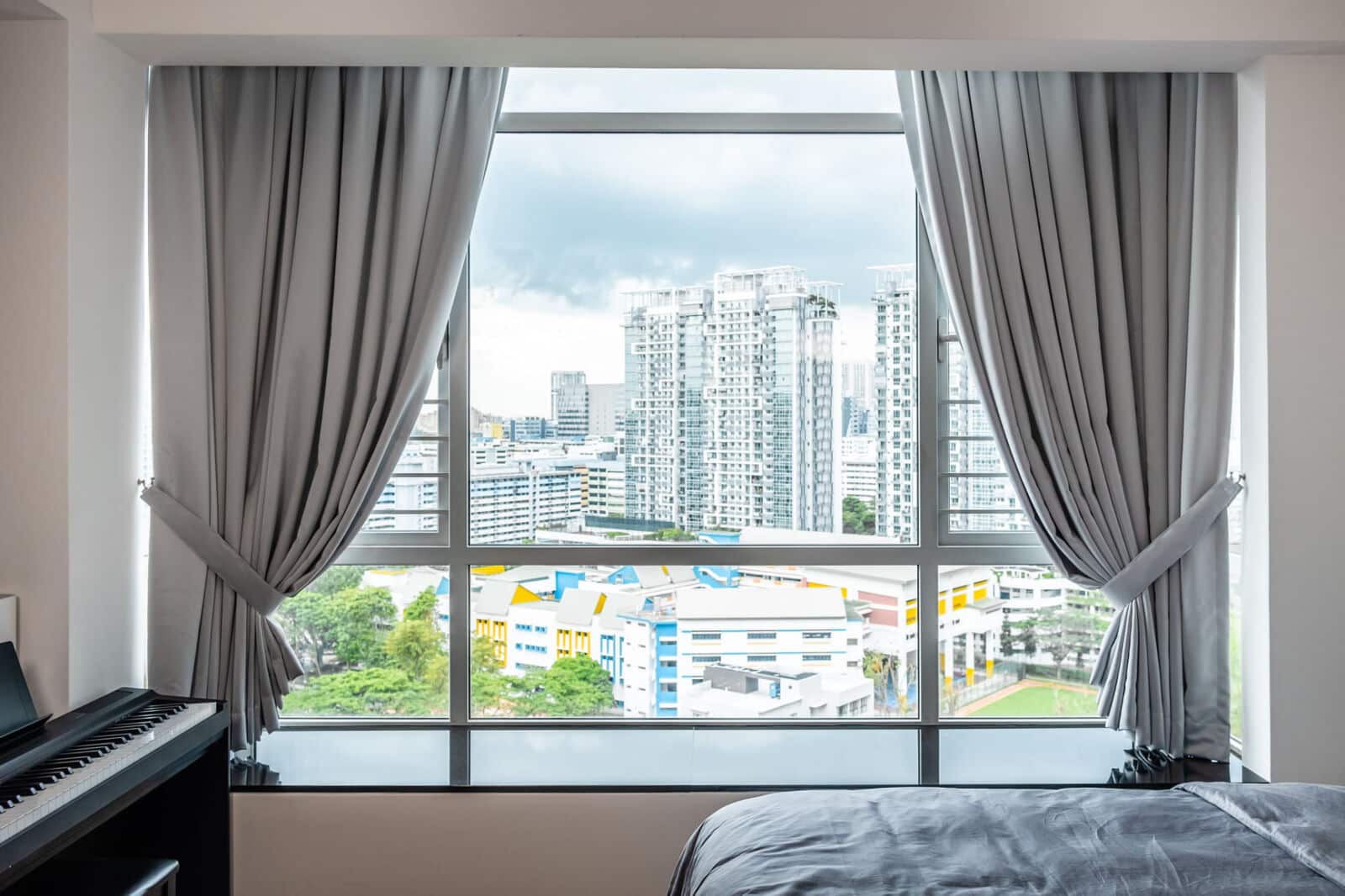
Living in Singapore means dealing with two constants: relentless tropical sunshine and the vibrant city lights that never seem to turn off. Whether you are moving into a new BTO, upgrading your condo, or finally tackling that west-facing window in your living room, choosing the right curtains is one of the most important functional decisions you’ll make for your interior.
The debate usually boils down to two heavyweights: Blackout Curtains and Dim-out Curtains. While they might look similar hanging on a rack, they perform very differently when the sun hits them.
In this guide, we’ll break down the technical differences, the pros and cons, and—most importantly—help you decide which one actually belongs in each room of your home.
1. What Are Dim-out Curtains?
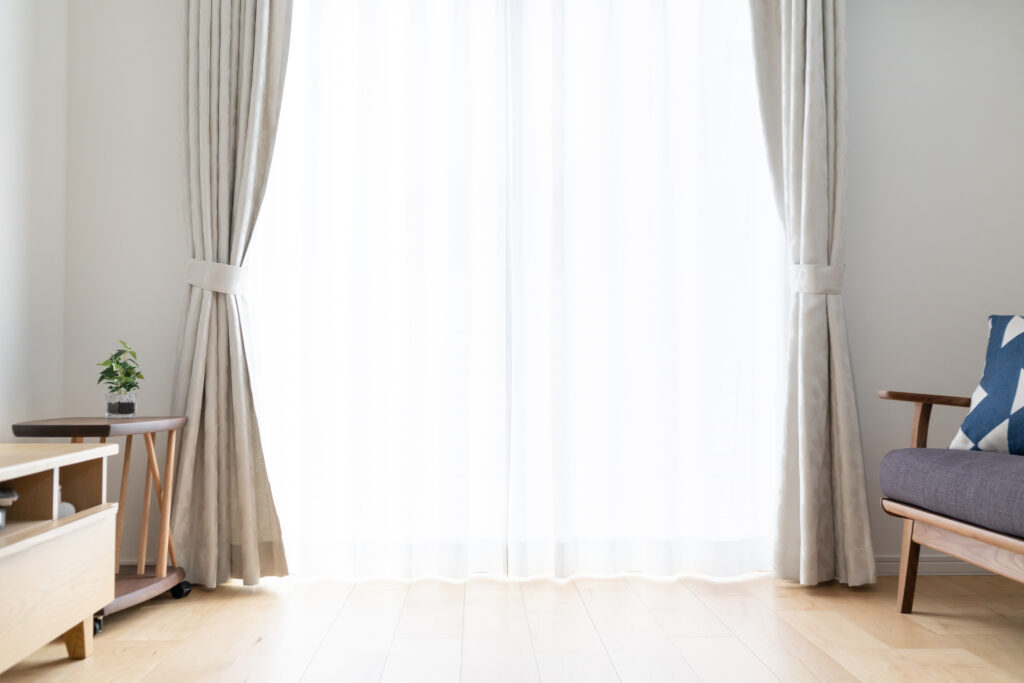
Dim-out curtains are designed to reduce the amount of light entering a room without completely eliminating it. They are typically made from high-density fabrics.
The Performance
Typically, dim-out curtains can block between 70% to 90% of light. You will still see a soft “glow” through the fabric during the brightest part of the day, and you might see the silhouette of the window frame.
Pros:
- Soft Drape: Because they are 100% fabric, they hang beautifully and have a soft, luxurious “flow.”
- Machine Washable: Most dim-out fabrics are durable and easy to maintain at home..
- Versatile: Perfect for creating a “cozy” atmosphere without making a room feel like a cave.
Cons:
- Not Total Darkness: If you are a light sleeper or work night shifts, the 10-30% of light that leaks through might still be a problem.
- Moderate Heat Insulation: While they help, they aren’t the ultimate solution for “oven-like” west-facing rooms.
2. What Are Blackout Curtains?
If dim-out curtains are a “dimmer switch,” blackout curtains are the “off switch.” True blackout curtains are designed to provide 100% light blockage.
The Performance
When closed, the fabric itself will let 0% light through. However, keep in mind that “light leakage” can still occur around the edges of the curtain track or above the rod.
Pros:
- Total Darkness: Ideal for nurseries, home theaters, and bedrooms.
- Superior Thermal Insulation: The thick coating acts as a barrier, keeping the heat out and the air-conditioning in—a must for Singapore’s climate.
- Noise Reduction: The density of the fabric can help dampen external street noise.
Cons:
- Stiffer Texture: The coating makes the fabric heavier and less “breezy” than dim-out versions.
- Maintenance: Whether or not you can wash them depends entirely on your specific fabric and the technology used for the coating.
3. Side-by-Side Comparison
| Feature | Dim-out Curtains | Blackout Curtains |
|---|---|---|
| Light Blockage | 70% – 90% | 100% |
| Heat Insulation | Moderate | High |
| Fabric Feel | Soft & Flexible | Depends on The Fabric You Choose |
| Best For | Living Rooms, Offices | Bedrooms, Nurseries |
4. The Singapore Context: Why Heat Matters
In Singapore, we aren’t just fighting light; we are fighting heat.
If your windows face East or West, your home absorbs a massive amount of thermal energy throughout the day. Blackout curtains are significantly better at reflecting UV rays and preventing your room from becoming a greenhouse. This doesn’t just keep you comfortable; it actually saves you money on your electricity bill because your air-con doesn’t have to work as hard to cool the space down.
5. Which One Do You Need? (Room-by-Room Guide)
The Master Bedroom: Blackout
Your quality of sleep is tied to darkness. Melatonin production is disrupted by even small amounts of light (like streetlamps or early sunrise). For the bedroom, we always recommend 100% blackout curtains. They ensure you wake up when your alarm goes off, not when the sun decides to rise at 6:45 AM.
The Living Room: Dim-out
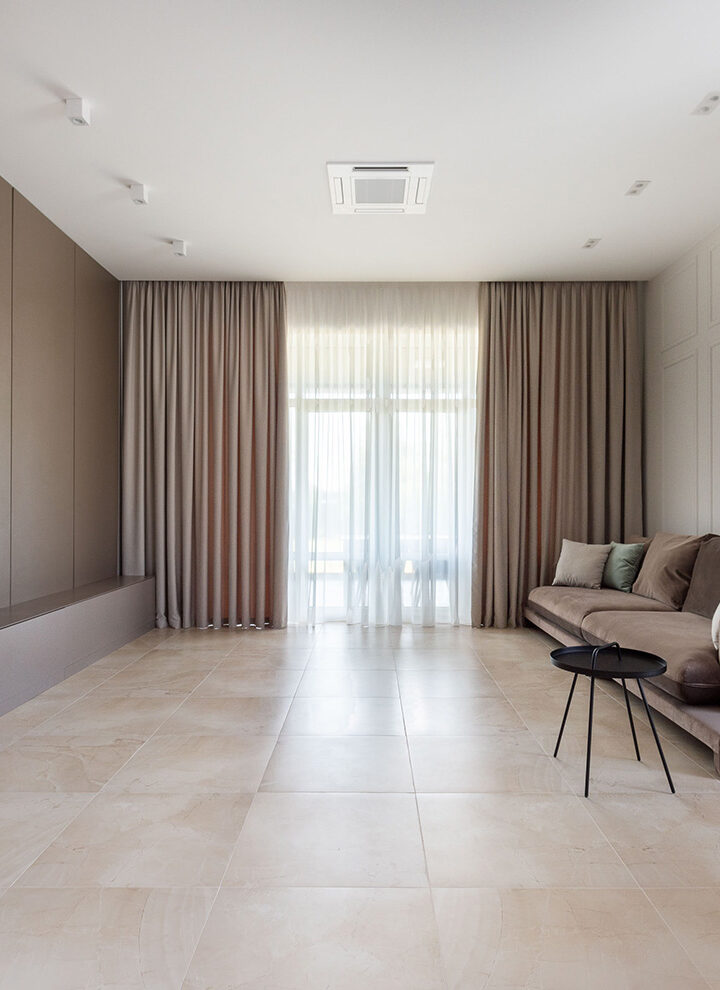
In the living room, you usually want a balance. You want privacy from neighbors and protection for your furniture (UV rays fade sofas!), but you probably don’t want the room to be pitch black at 2:00 PM. Dim-out curtains allow a soft, natural light to filter in, keeping the space bright and airy while maintaining privacy.
The Home Office: Dim-out
If you work from home, glare on your computer screen is the enemy. A dim-out curtain is usually enough to kill the glare while providing enough ambient light so you don’t feel like you’re working in a basement.
The Baby’s Room / Nursery: Blackout
Naps are essential. A blackout curtain can trick a baby’s internal clock into thinking it’s nighttime, making mid-day naps much easier to manage.
6. The Best of Both Worlds: Layering
If you can’t decide, why not choose both?
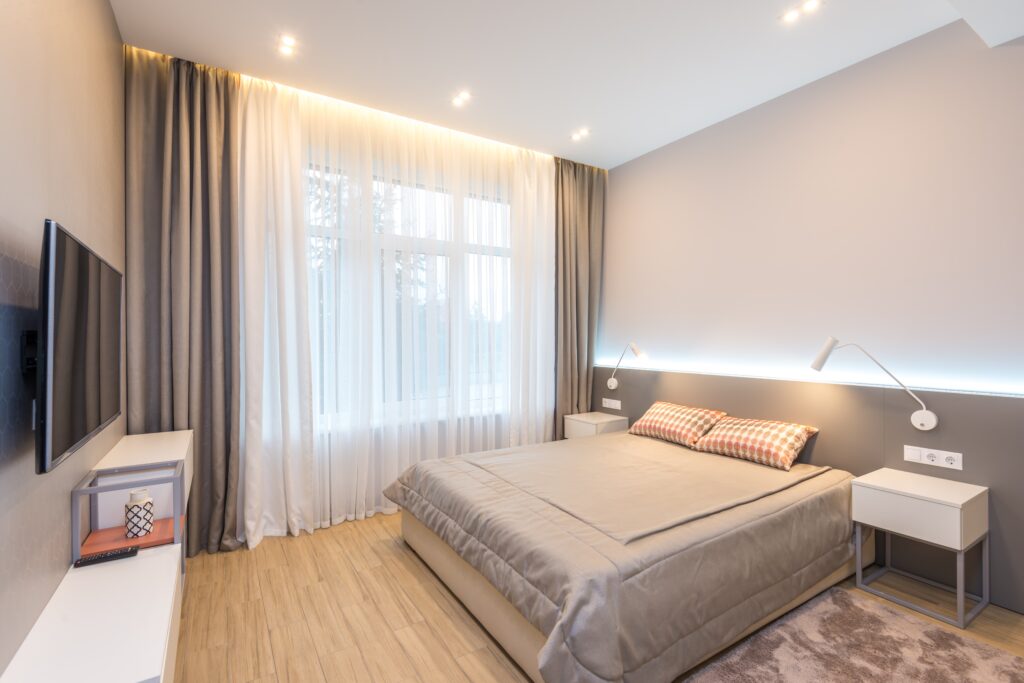
A very popular configuration in Singaporean homes is the “Double Track” system:
- Day Curtains (Sheer): These stay closed during the day to provide privacy while letting in 100% of the light.
- Blackout Curtains: These are pulled shut only when it’s time to sleep or watch a movie.
This gives you total control over your environment, regardless of the time of day.
Conclusion: Making the Right Choice
Choosing between blackout and dim-out isn’t just about the fabric—it’s about your lifestyle.
- Choose Dim-out if you prioritise easy maintenance, a soft aesthetic, and “mostly dark” is good enough for you.
- Choose Blackout if you are sensitive to light, want the best heat protection possible.
At ShadeSpace, we specialise in helping Singapore homeowners find the perfect balance between style and functionality. Whether you’re looking for the total darkness of a premium blackout or the soft glow of a designer dim-out, we have the textures and tech to fit your home.
Ready to transform your space? Contact ShadeSpace today for a free on-site measurement and consultation!
